.png)

Vancouver's 10 AM Sidewalk Snow Rule: What Commercial Property Owners Need to Know
Vancouver requires sidewalks cleared of snow and ice by 10 AM. Learn who’s responsible, the fines, and how commercial sites comply.

Vancouver's sidewalk rule in one sentence
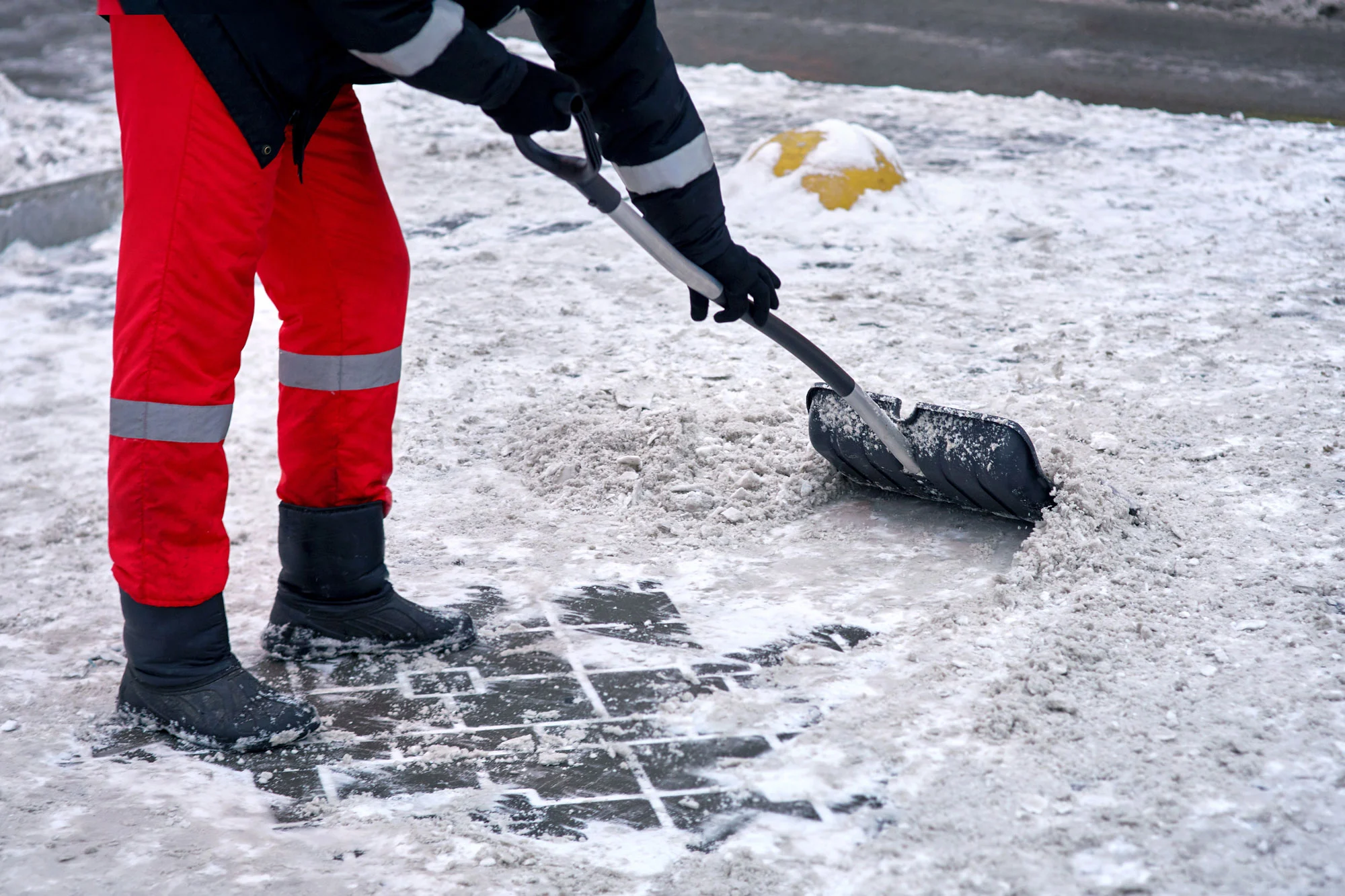
In the City of Vancouver, property owners and occupants must clear snow and ice from the full width of the sidewalk beside their property by 10 AM, every day there's snow on the sidewalk or freezing temperatures.
That rule applies to an office tower on West Georgia as much as to a corner store on Commercial Drive. For commercial owners and property managers, it's a daily deadline that arrives before most tenants have opened their doors. Missing it can mean a ticket, and it can leave you exposed if someone slips.
This guide explains what the bylaw requires, what it costs to miss it, what the City clears on its own, and how commercial properties stay compliant through a Vancouver winter.
What the bylaw requires
The rule comes from section 76 of Vancouver's Street and Traffic By-law No. 2849. In practice it means four things.
The deadline is 10 AM. Sidewalks must be clear by 10 AM on any day there's snow on them or the temperature is at or below freezing. It isn't a one-time obligation after a storm. If snow keeps falling or the sidewalk refreezes overnight, the deadline applies again the next morning.
Snow and ice both count. A shovelled sidewalk with a sheet of ice underneath doesn't meet the rule. That matters in Vancouver, where wet snow often melts by afternoon and refreezes overnight.
The full width, not a path. You need to clear the whole width of the sidewalk along your property line, not a single shovel-width lane down the middle.
Corner lots clear two sides. If your property sits on a corner, you're responsible for the sidewalk in front and the sidewalk along the side.
Who is responsible. The bylaw names property owners and occupants. For a commercial building, that's usually the owner, the property manager acting for them, or a tenant whose lease assigns snow clearing. Check your leases, because many retail and office leases put the sidewalk on the tenant while the parking lot stays with the landlord.
What happens if the sidewalk isn't cleared
According to the City of Vancouver:
- $250 fine if snow and ice aren't cleared by 10 AM the day after a snowfall.
- $750 fine if snow and ice remain for more than 24 hours.
- Tickets and fines can escalate for repeat violations.
- An unpaid ticket can be disputed and referred to the City Prosecutor, and charges can go to Provincial Court.
Anyone can report an uncleared sidewalk through the City's Van311 service or by calling 3-1-1, so a busy storefront block is likely to be reported quickly.
The fine is usually the smaller risk. Under BC's Occupiers Liability Act, an occupier has to take reasonable care that people using the property are reasonably safe. If someone slips on an uncleared sidewalk or entrance, the question becomes what you did and when. A dated, time-stamped service record is much easier to stand behind than "we think someone shovelled it."
What the City clears, and what it leaves to you
During snow events, the City of Vancouver treats its priority network first:
- Major roads and bus routes
- Emergency routes, including access to major hospitals
- Bridges and viaducts
- School routes
- Key pedestrian pathways and the most-used bike routes
- Arterial bus stops and corner ramps
The City does not clear sidewalks next to private property, residential side streets that aren't on a priority route, or most laneways.
For a commercial property, that leaves a lot on your side of the line:
- The public sidewalk along your frontage (and the side, on a corner)
- Building entrances, stairs and accessible ramps
- Private parking lots and drive aisles
- Underground parkade ramps
- Loading docks and service lanes
- Fire routes and emergency exits
The City also asks owners to keep nearby storm drains clear of snow, so melt has somewhere to go instead of pooling and refreezing.
One more detail: shovel snow onto your own property, away from the road and sidewalk. Pushing it into the street or onto a neighbour's frontage just moves the problem.
Why 10 AM is hard to hit on commercial sites
Vancouver snow rarely arrives on a convenient schedule. It tends to fall overnight, turn wet by mid-morning, and freeze again after dark. A few things make the deadline harder for commercial properties than for a house.
Nobody is on site yet. Offices, retail plazas and warehouses are often empty until 8 or 9 AM. By the time staff arrive and notice the snow, there's little time left to clear a long frontage.
Frontages are long. A strip mall or a corner office building can have 100 metres or more of public sidewalk, plus entrances, ramps and a parking lot. That's not a job for one person with a shovel before opening.
Ice outlasts snow. In Vancouver's freeze-thaw cycle, a sidewalk that looks clear at 4 PM can be glazed with black ice by 6 AM. The bylaw covers ice too, so clearing snow once isn't enough.
Everyone needs help at the same time. On the first snow morning of the year, every property in the city is looking for a contractor. Properties without a seasonal agreement in place are usually the last to be serviced.

How to stay compliant all winter
Use this checklist before the first snowfall.
- Confirm who's responsible. Check each lease: who clears the public sidewalk, entrances and parking lot?
- Map the frontage. Note every metre of public sidewalk along your property, including the side of a corner lot.
- List the other risk areas. Entrances, accessible ramps, stairs, parkade ramps, loading docks and fire routes.
- Set a service trigger. Decide what starts service: a set amount of snowfall, a freezing forecast, or both. In Vancouver, include freezing-only nights, because ice is covered by the bylaw too.
- Plan to finish before 10 AM. Service should be complete before staff, customers and inspectors arrive, not started when they do.
- Keep records. Time-stamped photos of each visit show what was done and when.
- Book early. Seasonal contracts fill up before the first storm.
How SnowMasters handles it
SnowMasters provides seasonal snow removal and salting for commercial and strata properties across Vancouver.
- We review your frontage, entrances and parking areas before winter and build a site plan.
- We monitor Vancouver forecasts around the clock and dispatch crews automatically when your agreed snow or freezing thresholds are met. You don't need to call.
- Crews clear snow and treat ice on the public sidewalk and your priority areas, aiming to finish before business hours.
- After every visit, you receive a time-stamped service report with photos.
For freeze-thaw nights with little or no snow, our ice prevention services treats sidewalks and ramps before they glaze over.
Common questions
Does the 10 AM rule apply on weekends and holidays? Yes. The City's wording is "by 10am every day" when there's snow on the sidewalk or freezing temperatures.
Is a tenant or the landlord responsible? The bylaw names owners and occupants. Your lease decides which of you does the work, so check it before winter.
Does the rule apply outside the City of Vancouver? This guide covers the City of Vancouver only. Burnaby, Richmond, North Vancouver and other municipalities set their own deadlines and fines, so check your local bylaw.
Get ahead of the next snowfall
If you manage a commercial or strata property in Vancouver, SnowMasters can review your site and set up a seasonal plan before the first storm.
Sources
- City of Vancouver: Winter maintenance on streets and sidewalks
- City of Vancouver Street and Traffic By-law No. 2849, section 76
- BC Occupiers Liability Act
This article is general information, not legal advice. Check the City of Vancouver's current rules before each winter.